
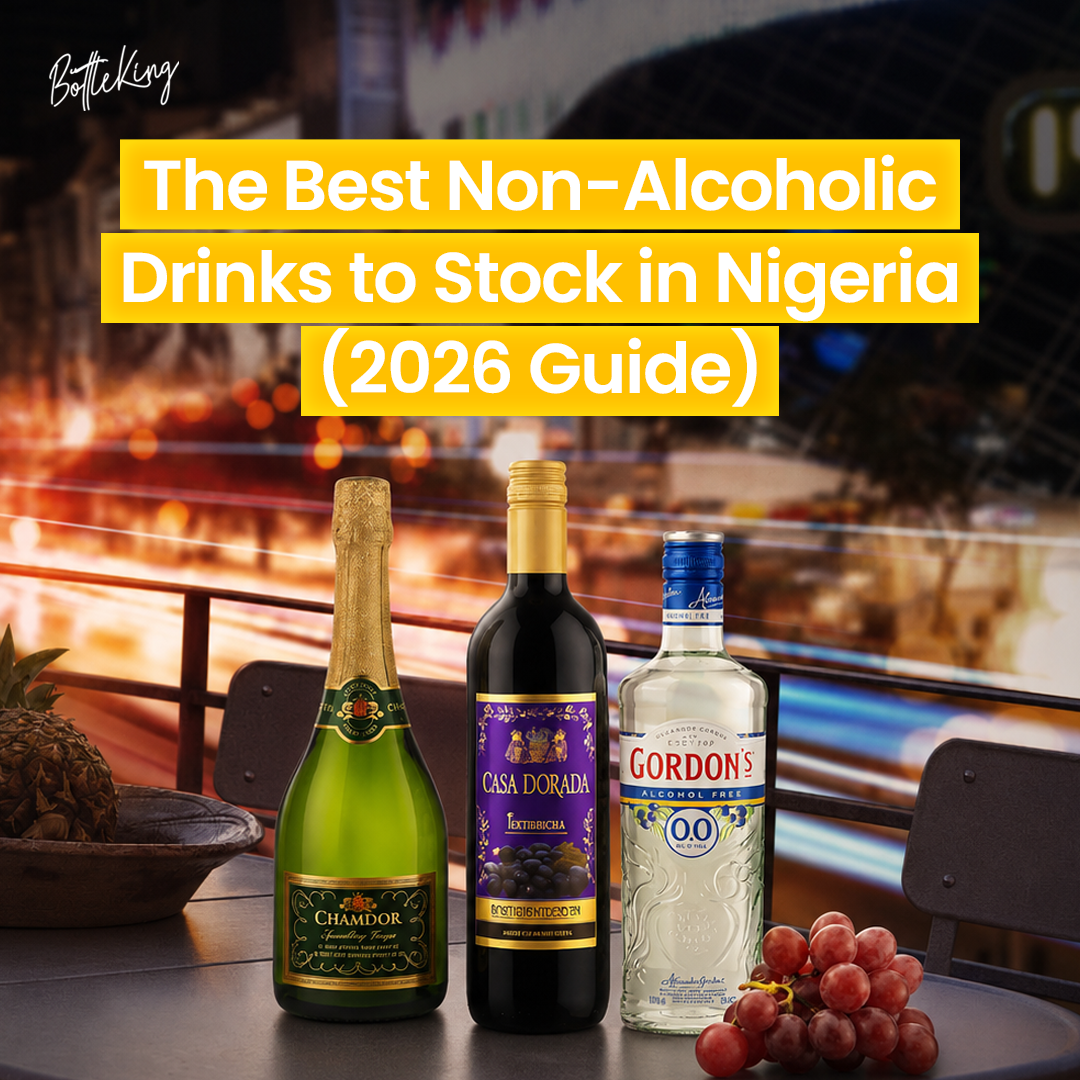
The Best Non-Alcoholic Drinks to Stock in Nigeria (2026 Guide)
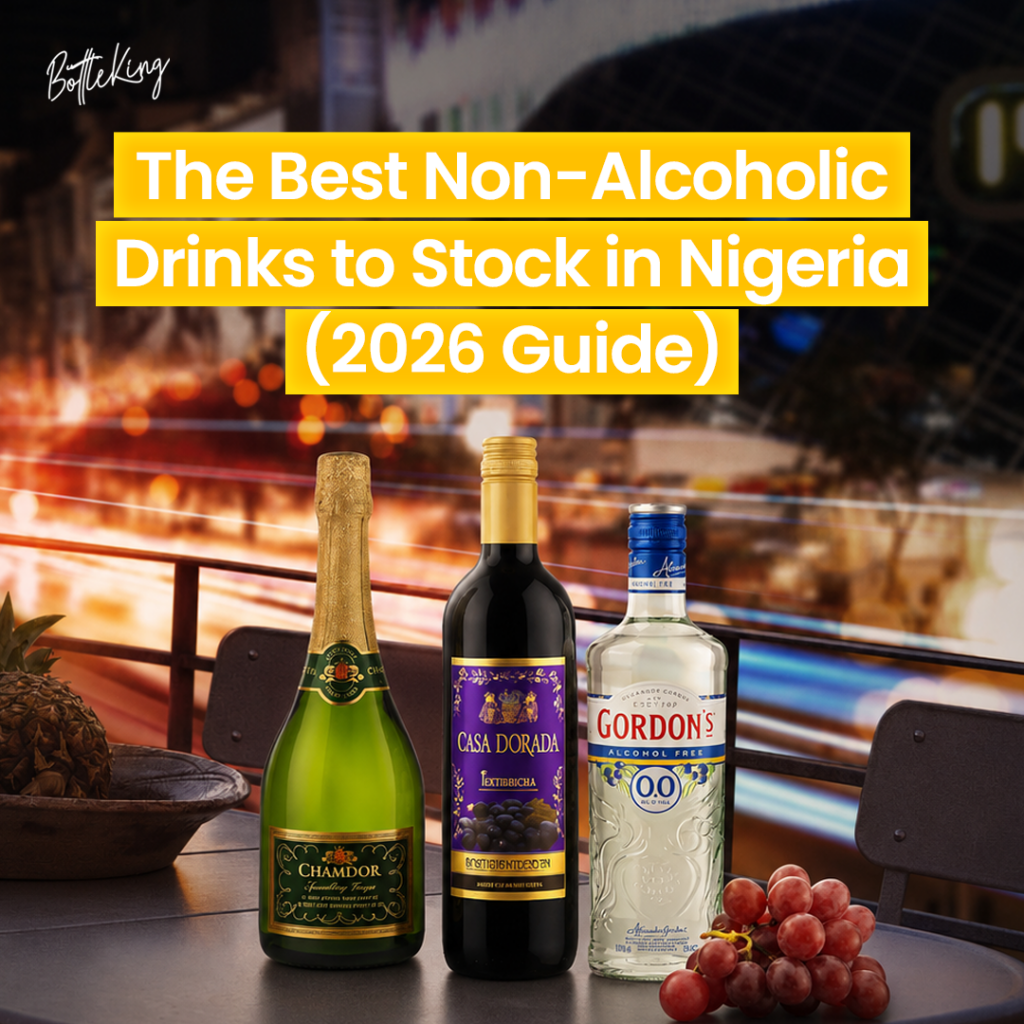
The Best Alcohol-Free Drinks Worth Trying
There’s a particular kind of invisibility that comes with not drinking at a Nigerian celebration. The bar isn’t built for you. The host hasn’t thought about you. And somewhere between the Hennessy and the Don Julio, you’re handed a Ribena and expected to be fine with it. The premium non-alcoholic drinks category in Nigeria is dismantling that experience one bottle at a time, and what’s available to stock your bar cart in 2026 would genuinely surprise you.
The non-alcoholic drinks category has quietly become one of the fastest-growing segments in the global beverage industry, projected to grow from $379.97 million in 2026 to $762.92 million by 2034, and the products driving that growth are nothing like the sugary mocktail syrups of ten years ago. We’re talking about botanically complex spirits, alcohol-free wines with genuine depth, premium aperitifs, and ready-to-drink cocktails that hold their own in any glass.
In Nigeria specifically, urban millennials in Lagos are already increasing their purchases of functional, reduced-sugar drinks, and shelves at every serious drinks retailer are catching up.
If you’re building a bar cart in 2026, here’s exactly what it should hold.
1. A Premium Alcohol-Free Spirit — Your Foundation
Every bar cart needs at least one bottle that can do the heavy lifting. In the non-alcoholic world, that means a spirit with genuine complexity something you can sip straight, mix into a mocktail, or serve with a premium tonic and not feel like you’re settling.
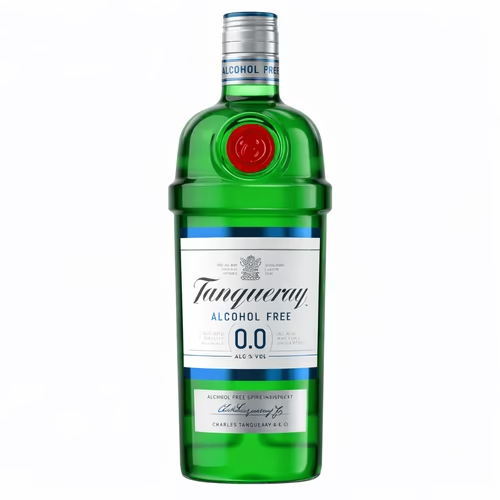
Tanqueray Alcohol Free and Gordon’s Alcohol Free are the most accessible entry points; both carry real botanical character, mix beautifully with Fever-Tree tonic, and neither will confuse your guests. Amsterdam Damrak Virgin goes a step further with bolder citrus-forward botanicals for anyone who wants something with more personality.
The rule here is simple: buy one that tastes like something, not like the absence of something.
2. A Non-Alcoholic Wine — Because Some Evenings Call for a Glass
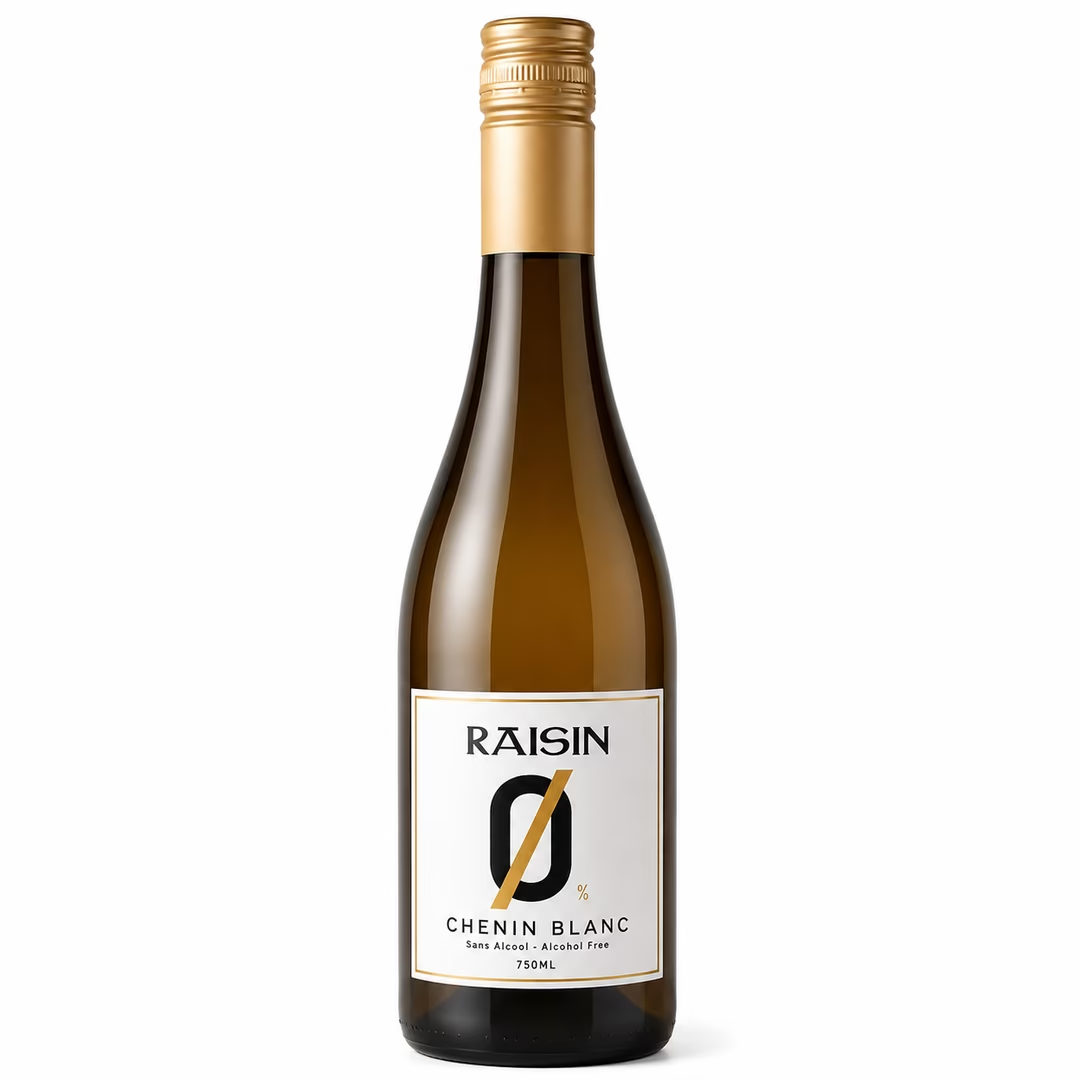
The stigma around alcohol-free wine has largely dissolved because the product has genuinely improved. Brands like Raisin, available in Chenin Blanc, Pinot Noir Rouge, and Rosé expressions, produce wines that retain real fruit character and structure without tasting stripped or flat.
The Raisin Pinot Noir Rouge in particular earns its place at a dinner table. It’s the bottle you open when the conversation matters, and you want something in your glass that matches the occasion, regardless of what’s in it.
Stock one red and one sparkling. The sparkling covers celebrations. The red covers everything else.
3. Premium Tonic & Mixers — The Ones That Actually Matter
A great alcohol-free spirit poured into cheap tonic is still a disappointing drink. The mixer is half the glass, sometimes more.
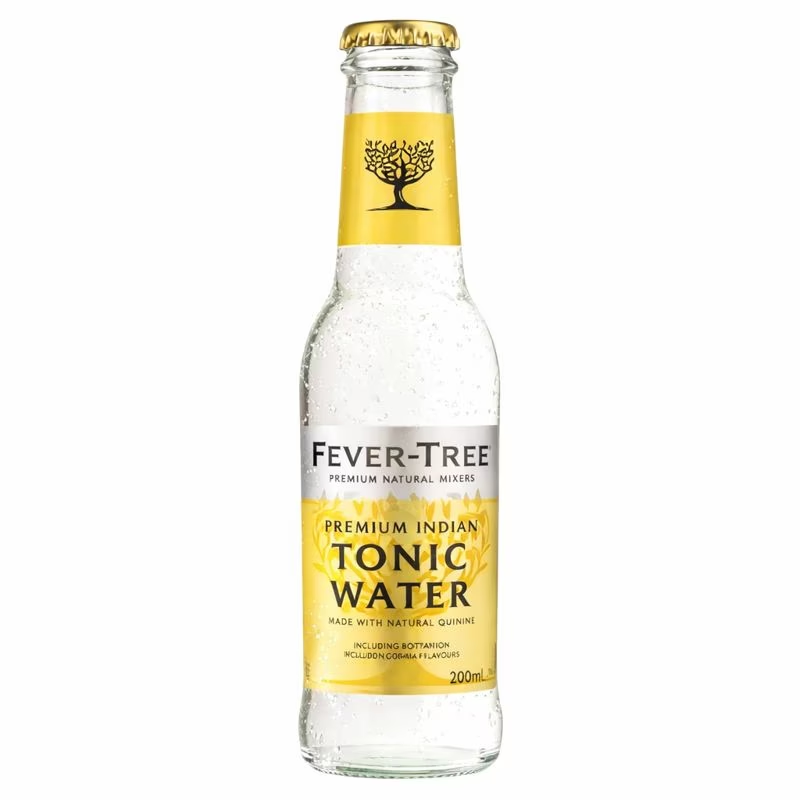
Fever Tree is the standard worth owning. The Premium Indian Tonic Water is the classic pairing for any botanical spirit. It works better with lighter, more delicate profiles. The Ginger Ale adds heat and complexity to any spirit-forward build, and the Raspberry & Rhubarb Tonic makes a stunning low-effort mocktail by itself.
Non-alcoholic gin was the most popular zero-alcohol category globally in 2023, with over 62 million litres sold, and the pairing of quality alcohol-free gin with premium tonic is what’s driving most of that growth. Buy the spirit. Buy the mixer. Treat them as a set.
4. A Non-Alcoholic Aperitif — For the Pre-Dinner Hour
This category gets overlooked more than any other, which is a shame because it’s arguably the most social one on the bar cart.
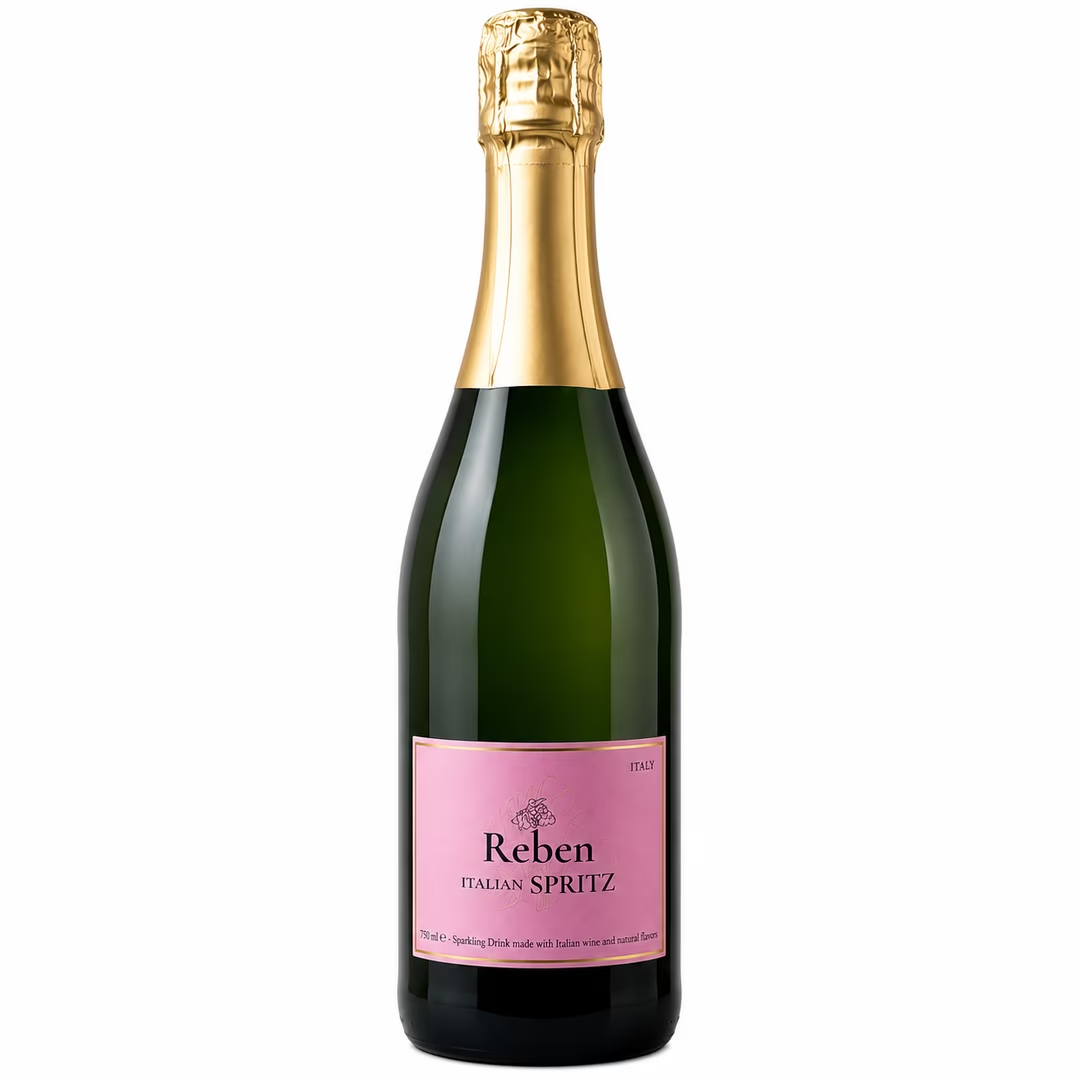
Crodino Rosso is Italy’s most iconic non-alcoholic aperitif: bittersweet, slightly herbal, and beautiful over ice with a slice of orange. It’s the drink you pour when people arrive, and conversation is still warming up. Reben Spritz covers the same territory with a lighter, bubblier approach.
The aperitif hour exists for a reason: it paces the evening and gives everyone something sophisticated to hold before the real drinking begins. The non-alcoholic options here are now good enough that your guests won’t notice the difference and might actually prefer them.
5. Ready-to-Drink Mocktails — For When You Need Things to Be Easy
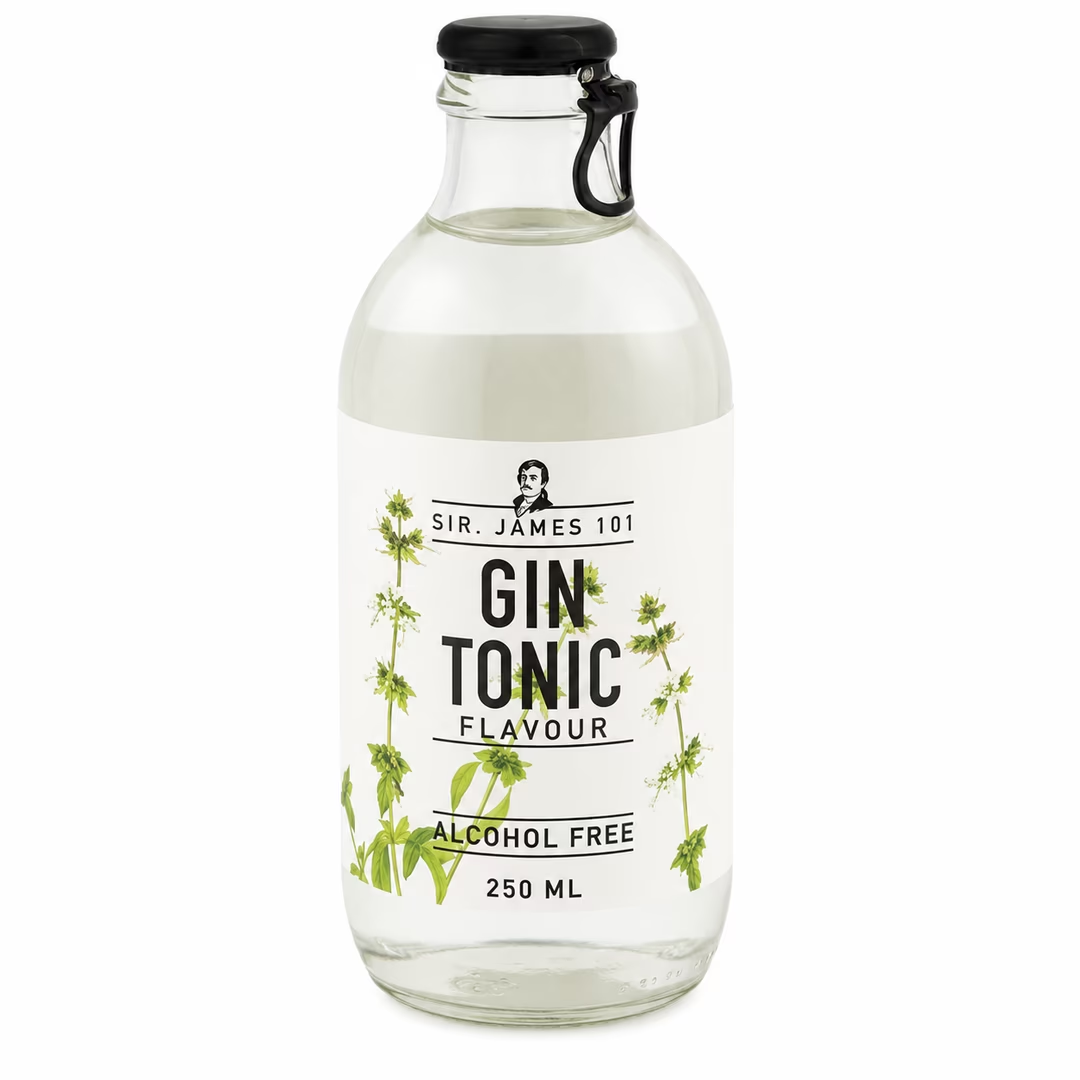
Not every evening has time for a shaker. The Sir James 101 range covers this category comprehensively; the G&T Mocktail, Ginger Mule, Passion Fruit Martini, Mojito, and Pink G&T are all ready to pour straight over ice. No preparation. No skill required. Just a good drink in under ten seconds.
Ice Tropez Zero deserves a mention here too: tropical, lightly sparkling, and visually striking enough that people will ask what it is before they’ve even tasted it.
Over 34% of non-alcoholic beverage purchases are now made by individuals following sober-curious, fitness-oriented, or low-calorie diets, and RTD mocktails are where most of them are starting. Stock two or three varieties. Rotate them based on how your crowd responds.
6. A Botanical Soft Drink — The Wildcard That Always Works
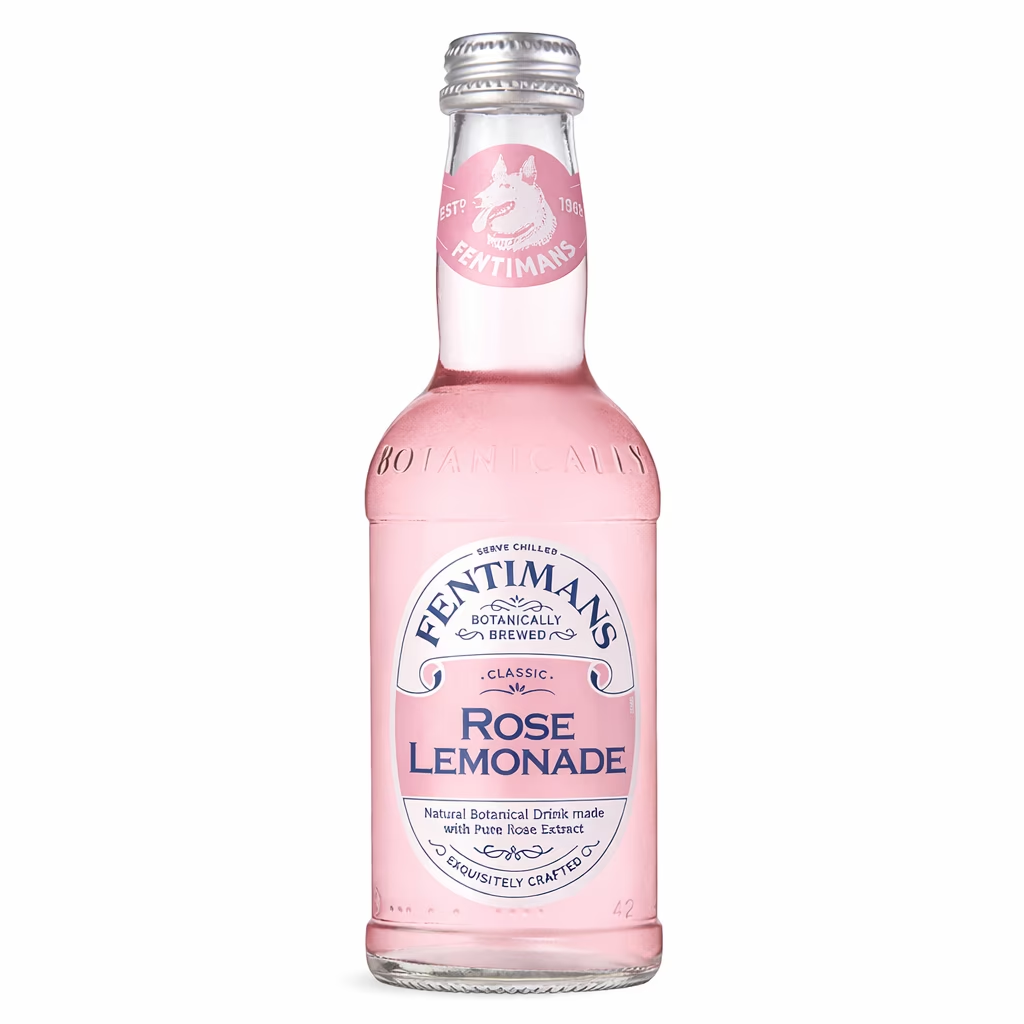
Fentimans the Rose Lemonade, Ginger Beer, and Elderflower Tonic occupy a category that’s hard to define but easy to love. They’re not mocktails. They’re not basic soft drinks. They’re botanically brewed, complex enough to sip slowly, and the kind of thing guests pick up expecting a regular juice and walk away pleasantly surprised.
Keep a few bottles on the cart not as alternatives to alcohol but as genuine drinks in their own right. That framing changes how people receive them and how much they enjoy them.

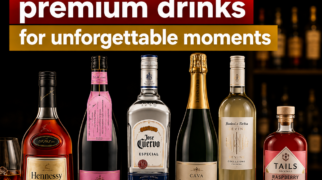
10 Must-Try Premium Drinks for Unforgettable Moments
Great drinks create unforgettable experiences. Whether you're celebrating life's biggest milestones or simply unwinding after a long day, choosing premium beverages can...
read more

10 Premium Bottles That Deserve a Spot in Your Collection
There's something satisfying about opening a bottle that turns an ordinary evening into a memorable one.
The latest arrivals at BottleKing bring together...
read more